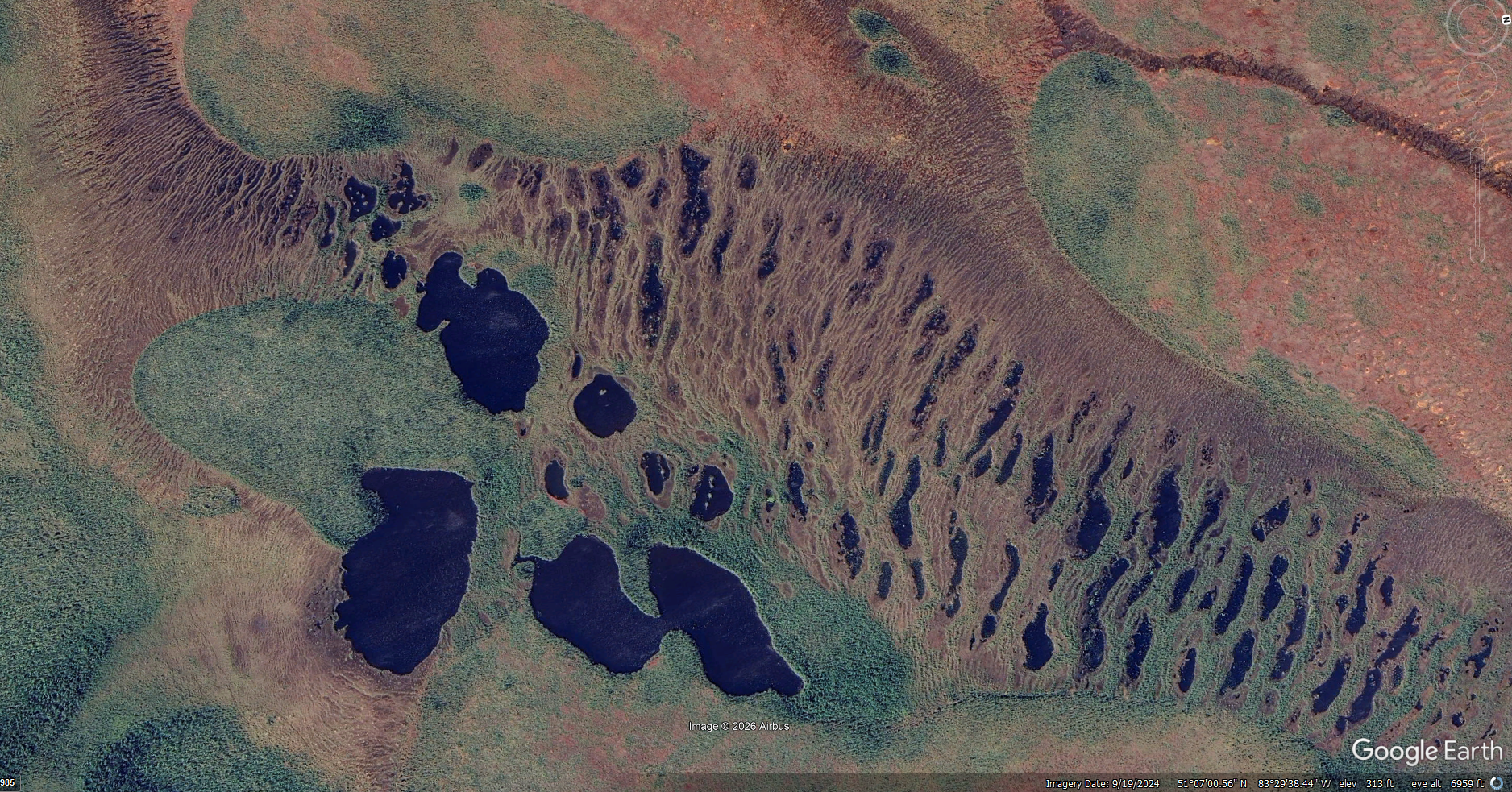
1.6 Billion Tonnes of Carbon
The Land
Remembers
8,000 years of photosynthesis stored in cold wet ground.
Doug Ford wants to strip-mine it. We can stop him.
1.6 Billion Tonnes of Carbon
8,000 years of photosynthesis stored in cold wet ground.
Doug Ford wants to strip-mine it. We can stop him.
Every statistic below comes from the Canadian government's own data. StatsCan. Indigenous Services Canada. The Department of Justice. The Auditor General. They collected it. They published it. They can't dispute it.
Set in 1905. Never adjusted for inflation. Still $4 in 2026. The same treaty surrendered 330,000 km² of land.
Source: Indigenous Services Canada — Treaty Annuity PaymentsA 13.6-year gap. In the same country. With the same passport. Born on the wrong side of a line drawn by someone else.
Source: Statistics Canada — Table 17-10-0160-01Boil water advisory since 1995 — 31 years. $30M spent. Pipes still broken.
Mass evacuated for contaminated water. Multiple times. Most recently 2026.
Carcinogens 182% above safe levels after De Beers mine closure.
Indigenous children are 7x overrepresented in the foster care system. The Canadian Human Rights Tribunal has ruled this discriminatory. Multiple times. It continues.
Source: Vanier Institute / Census 2021On-reserve housing is 4x more likely to be overcrowded and 6x more likely to need major repair than the Canadian average.
Source: Auditor General Report 2, 2024 / Census 2021Indigenous people are incarcerated at 6.4x the rate of non-Indigenous Canadians. For Indigenous women, it's 10x.
Source: Department of Justice Canada0.01% of mining revenue reaches the Indigenous communities whose land it's extracted from. The sliver of a sliver.
Source: IBA Community ResearchThey haven't fixed the water. They haven't fixed the housing. They haven't addressed the suicides. And now they want $585 billion more from the same land.
"The government's own numbers are the indictment. Every chart, every table, every annual report — evidence they collected against themselves."
For 350 years, outsiders have extracted wealth from this land and left the people with nothing. The Ring of Fire is just the latest chapter.
"Every generation, the same promise. Every generation, the same result."
Want to know what mining does to these communities? We don't have to guess. De Beers already showed us.
In July 2008, De Beers opened the Victor Diamond Mine on Attawapiskat Cree territory — Ontario's first diamond mine. For 11 years, it pulled diamonds from the muskeg.
The mine generated billions in revenue — roughly $400 million per year to De Beers. Ontario collected $110 million in total royalties over the life of the mine, paying as little as $226 in a single year (2013-2014).
Attawapiskat's share under an Impact Benefit Agreement: US$1.6 million in 2018 — less than 1% of annual mine revenues. A single 102-carat diamond auctioned for approximately $30 million — more than the community received in an entire year.
When De Beers pleaded guilty to 7 years of unreported mercury monitoring violations (2008-2015), the penalty was $100.
After the mine closed in May 2019, De Beers tried to dump 200,000 m³ of waste on Cree land instead of trucking it out. Two months later, Attawapiskat declared a water emergency — carcinogens found at 122-182% above safety standards.
First state of emergency — housing crisis. Families living in sheds and tents.
Second state of emergency. Children in unheated shacks with no running water. Red Cross deployed to a Canadian community.
Third state of emergency. Ontario pays De Beers $226 in mining royalties for the year.
100+ suicide attempts since September 2015 — 11 in a single night. National crisis. State of emergency declared again.
Mine closes May 2019. Two months later: water emergency. Carcinogens 122-182% above safety standards.
"These expensive diamonds come from my Nation's homeland... yet we continue to live in horrendous conditions where we can't even drink the water."
— Chief of Attawapiskat First NationNeskantaga First Nation has been under a boil water advisory since February 1, 1995 — the longest in Canadian history. Canada has spent $30 million on failed upgrades. The treatment plant produces clean water, but the distribution pipes are broken. Water doesn't reach homes.
17 Nishnawbe Aski Nation communities in northern Ontario are under long-term water advisories. Five have been without clean water for over 20 years. In February 2026, Kashechewan — 2,300 people on James Bay — was mass-evacuated for cryptosporidium contamination.
Each dot is a community. Hover to see their story.
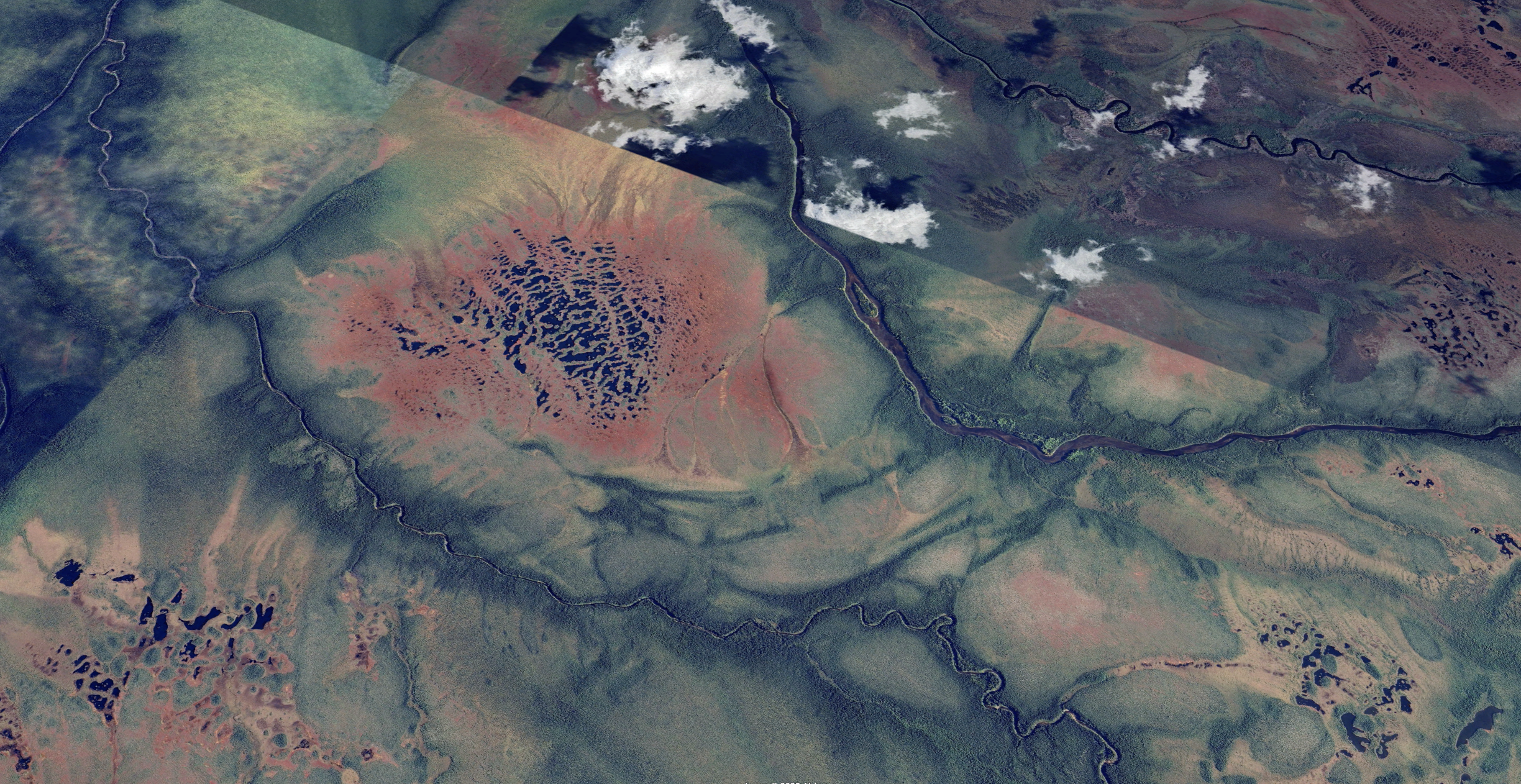
Ontario Premier Doug Ford is building all-season roads, open-pit mines, and a deep-sea port through the largest intact peatland in North America.
$120 billion in chromite, nickel, and copper sits under 8,000 years of stored carbon. Ford says it means 70,000 jobs and $22 billion in economic impact.
The Mushkegowuk Cree — the people who have lived here for millennia — say no consent, no Ring of Fire.
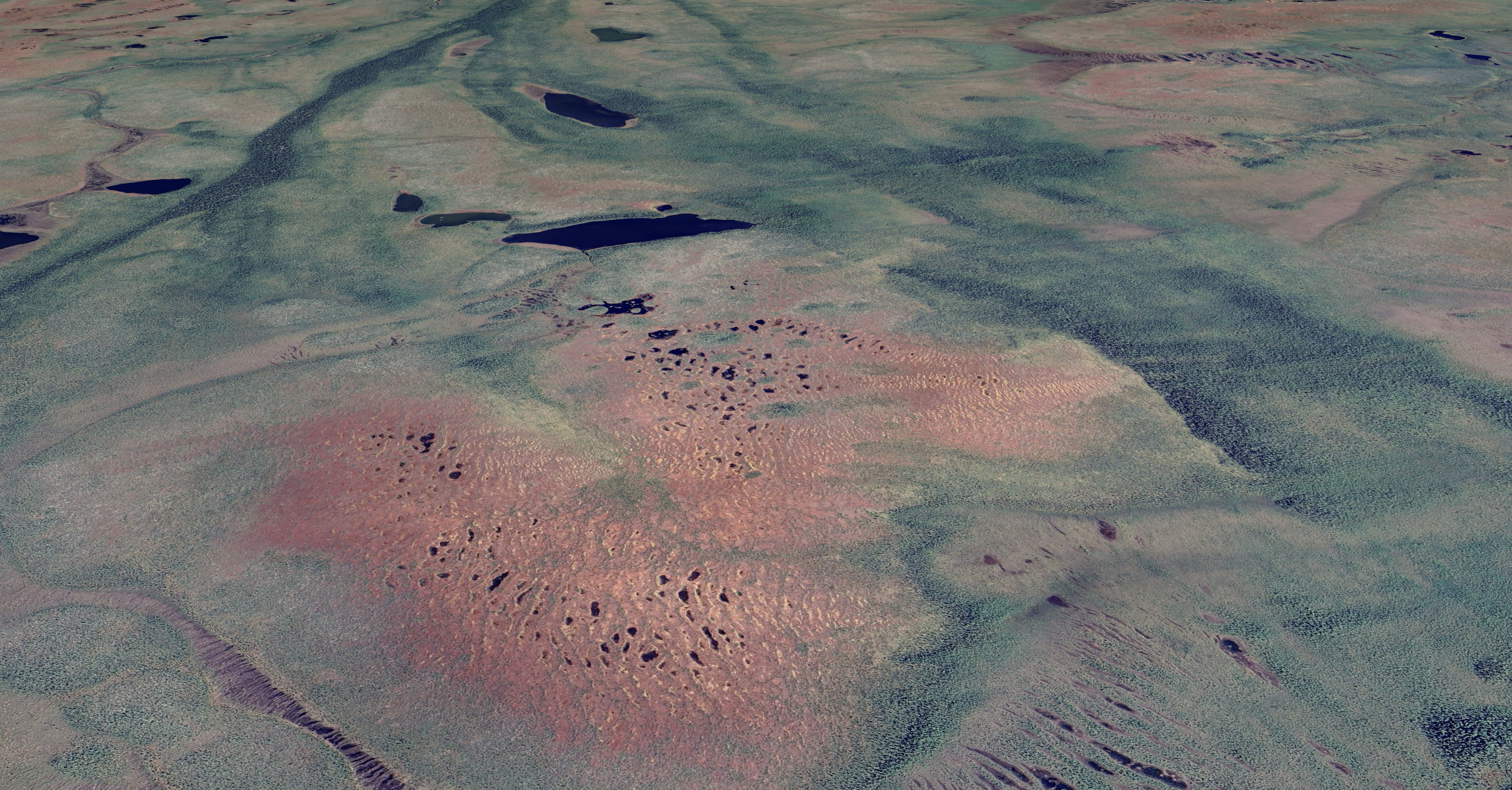
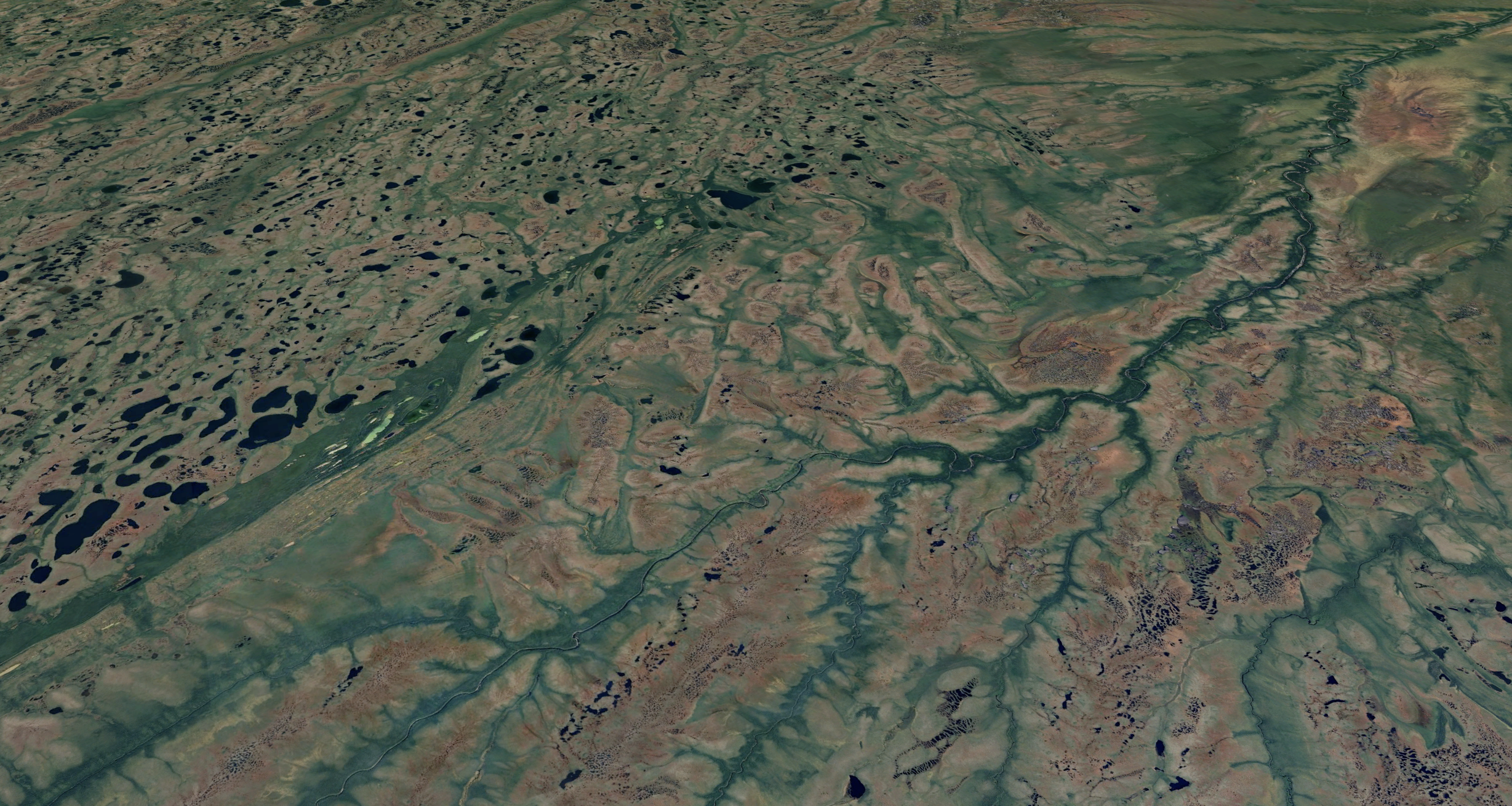
Mushkegowuk Council declares Ring of Fire "protected homeland" — no development without free, prior and informed consent.
Neskantaga and Attawapiskat begin building a permanent village in the path of the proposed access road.
Nine First Nations file $95 billion lawsuit against Ontario and Canada for treaty violations.
Neskantaga First Nation has been without clean drinking water. The government promises infrastructure. The money never arrives.
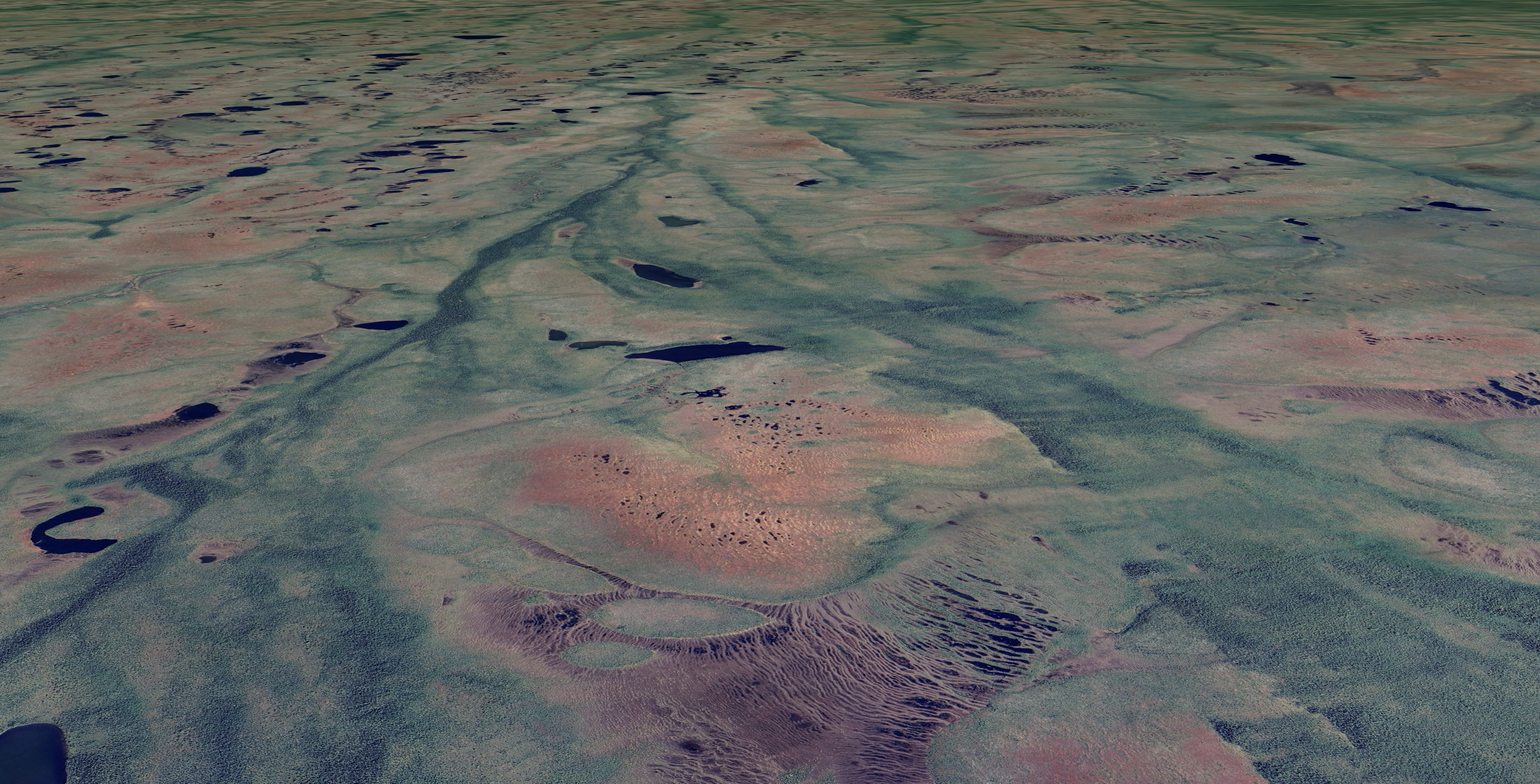
Ford promises $22 billion from mining — money that never reaches communities. Carbon protection generates real revenue, directly, starting now.
Three projects. Three promises. Only one puts the money where the people are.
These peatlands are Canada's largest natural water filter. They feed the rivers that flow into James Bay and Hudson Bay. They supply water to communities across northern Ontario.
Neskantaga advisory begins. Still active — 31 years. $30M spent. Pipes still broken.
Kashechewan mass evacuation — contaminated water sent 1,000+ people south.
Attawapiskat — no running water in homes. Red Cross deployed to a Canadian community.
Post-De Beers water emergency — carcinogens 182% above safe levels.
Kashechewan evacuated again — cryptosporidium. 2,300 people. Same story.
Carbon credits aren't magic. They're accounting. Here's the mechanism — and why peatland changes everything.
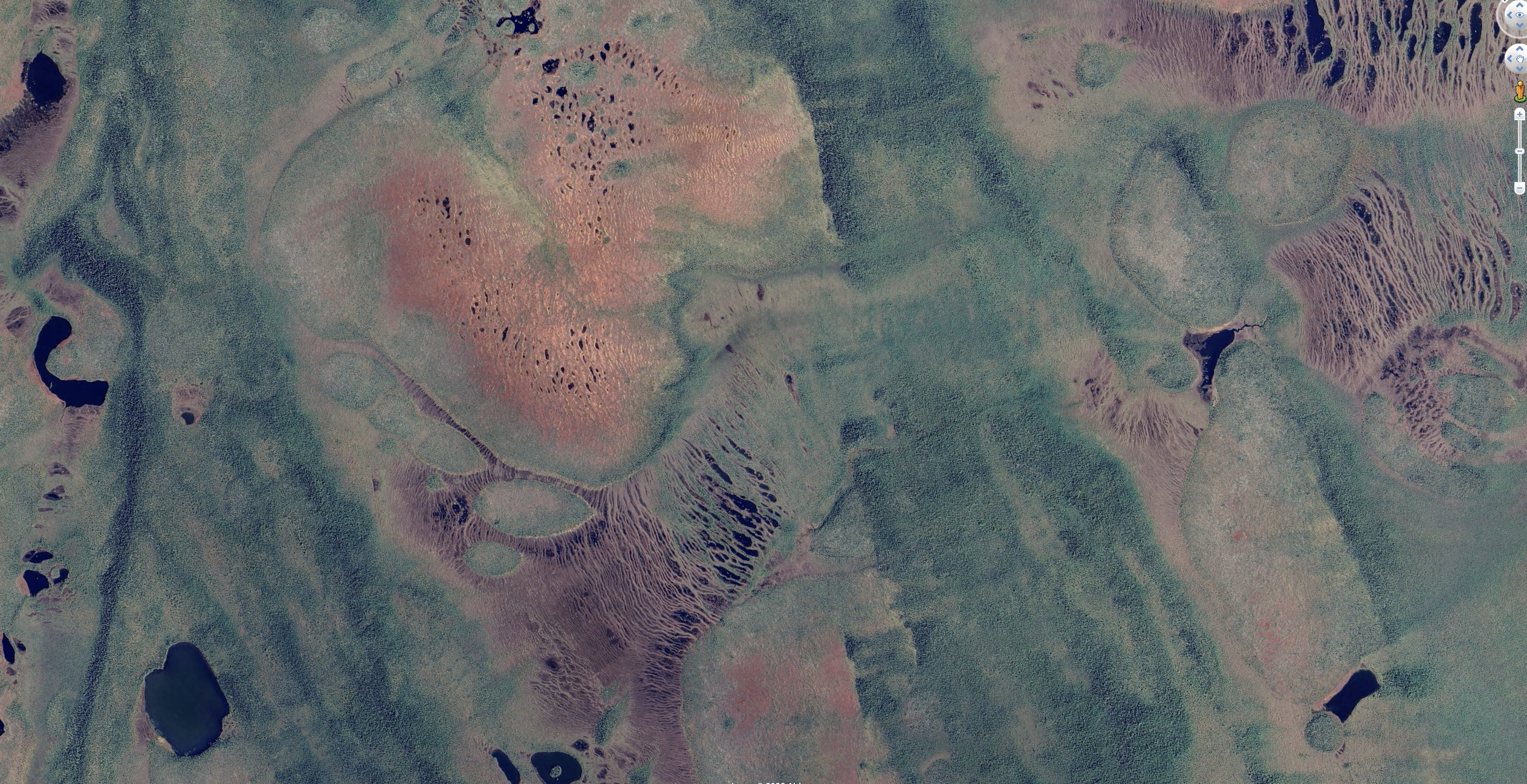
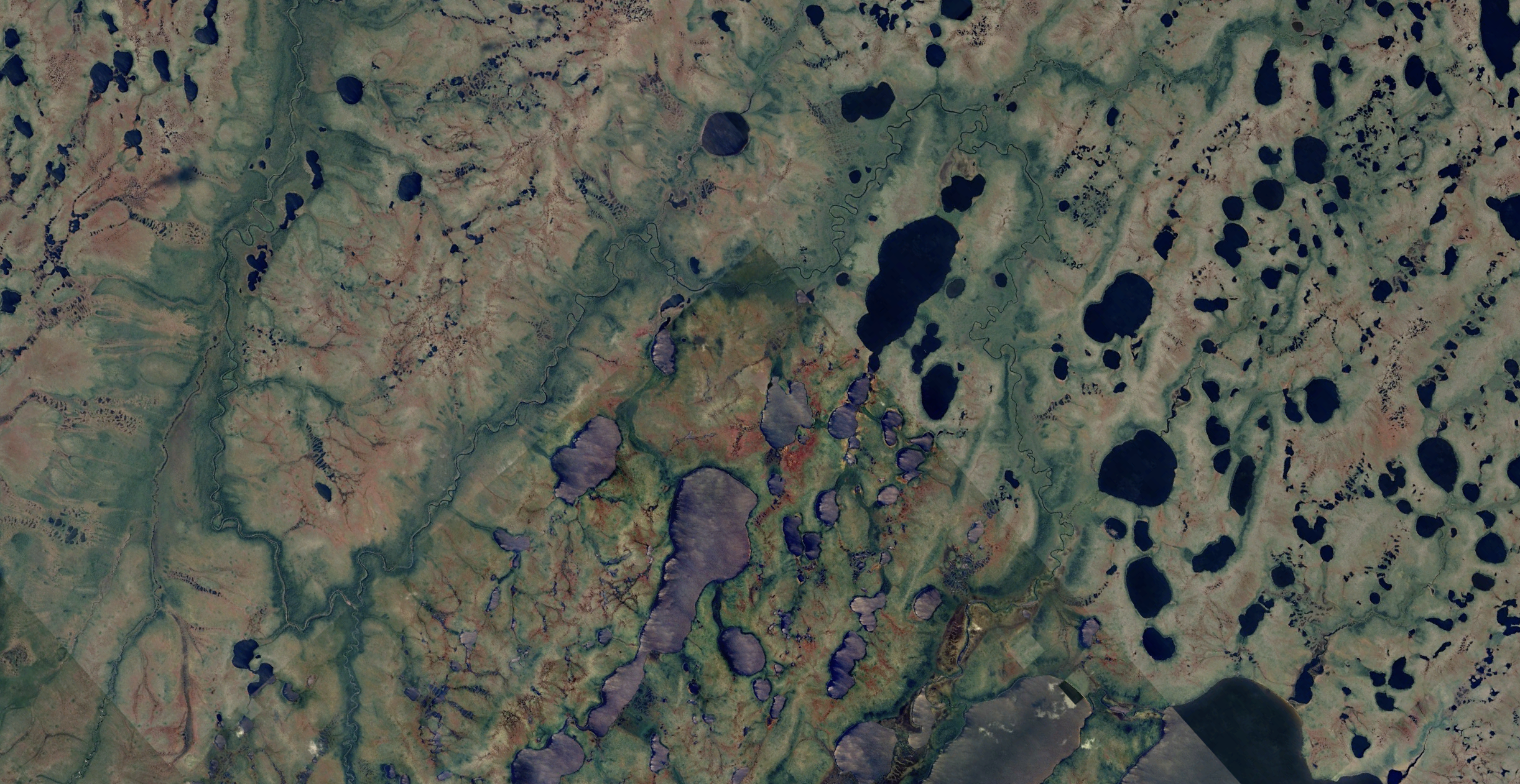
8,000 years of dead plants, compressed in cold wet ground. 1.6 billion tonnes of CO₂ locked in the Mushkegowuk peatlands.
Independent scientists measure the carbon. Third-party verification confirms it's there and it's staying.
Each tonne of verified stored carbon = 1 credit. The peatland holds 1.6 billion of them.
Credits are purchased. Revenue goes directly to the community that protects the land.
"You're not paying to plant a tree. You're paying to stop someone from draining an ocean of carbon that took 8,000 years to fill."
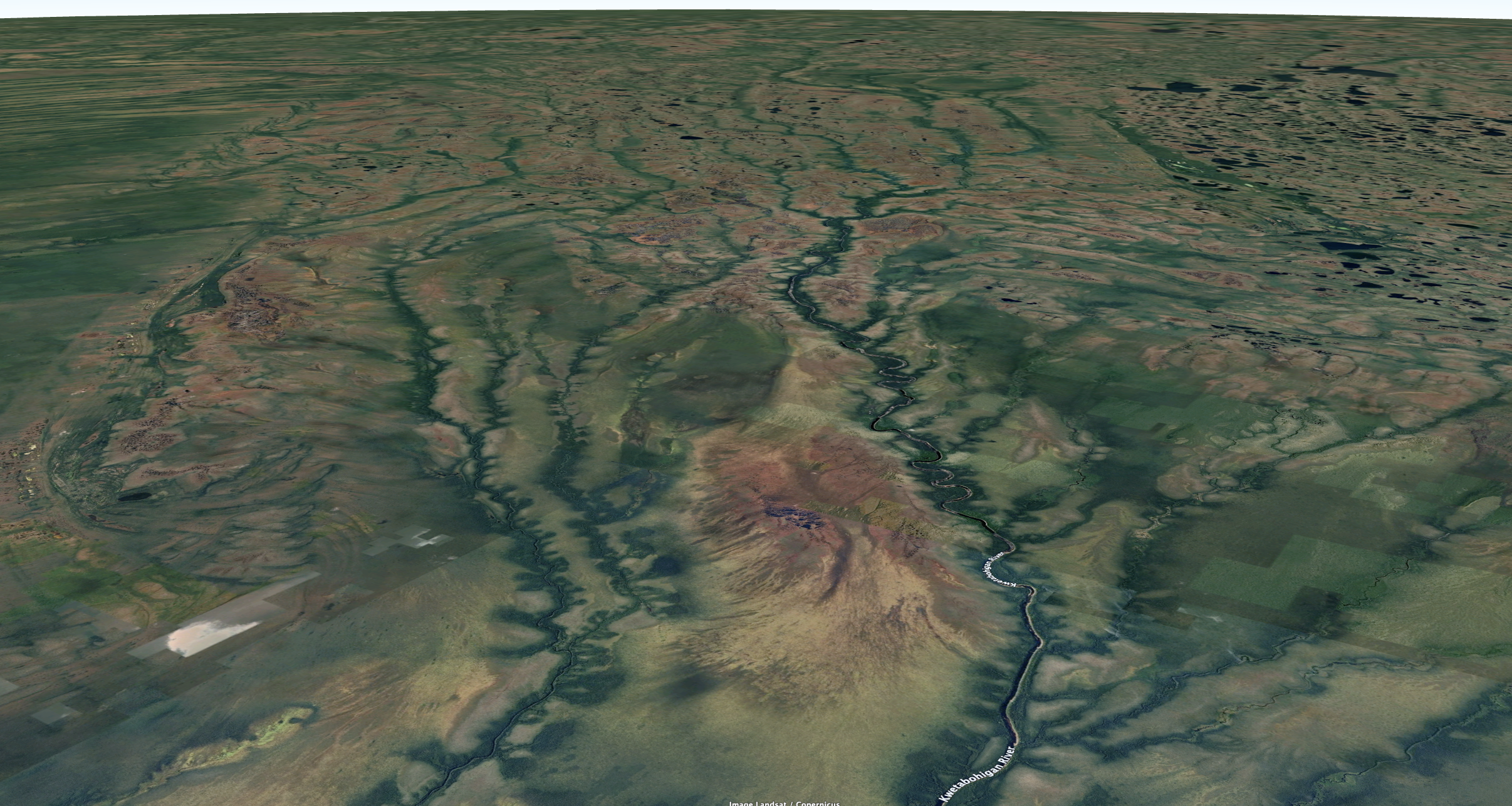
This is not tourism. There is no package to buy, no resort, no itinerary printed on glossy paper. The Mushkegowuk peatlands are open to anyone willing to walk them respectfully — but you have to ask permission from the people who live there.
Every journey begins with a request to the community. This is their homeland. Access is granted, never assumed.
All guided journeys are hosted by community members and existing operators. The land teaches through the people who know it.
You carry in, you carry out. No infrastructure. No trails. The peatland looks the same after you leave.
"You don't visit the land. You ask the land — and the people — if you may be present."
Indigenous-led expeditions through Mushkegowuk territory. Each journey follows the rhythms that have governed life here for millennia.
Walk the peatland alone with a satellite tracker and a community watching your signal. Miss a check-in, and someone comes to find you.
Your first time on the land. No overnight. Return before dark. The introduction.
One night alone on 8,000-year-old ground. Full gear kit. Evening and morning check-ins.
Deep enough to lose track of the days. Twice-daily check-ins. The land starts to speak.
A week alone in the largest intact peatland in North America. Only for those who have completed The Vigil.
Picked up and returned to the operator in Moosonee. Nothing purchased. Nothing left behind.
GPS position transmitted every 10 minutes via satellite
Scheduled check-ins: you press OK. We see it.
Missed check-in: automated alert to operator within 30 minutes
No response after 2 hours: extraction team dispatched to last known position
Tell us who you are and where you want to go. Your request goes to the community. If access is granted, an operator will contact you with logistics.
Your contribution directly funds the protection and certification of Mushkegowuk peatland carbon. Every dollar is a vote against extraction.
Or make a one-time contribution